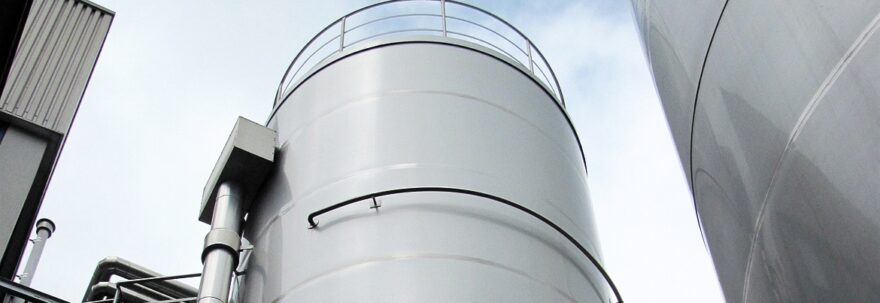

Industrial sustainability is no longer a trend, it is a necessity. In ice manufacturing, where product purity and energy efficiency are critical, stainless steel has become an essential material.
Article Gallery. Stainless Steel for the Ice Industry.
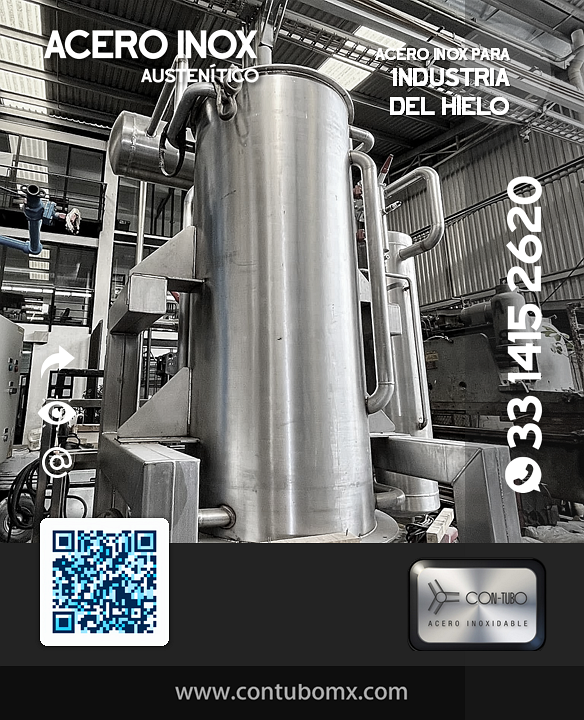
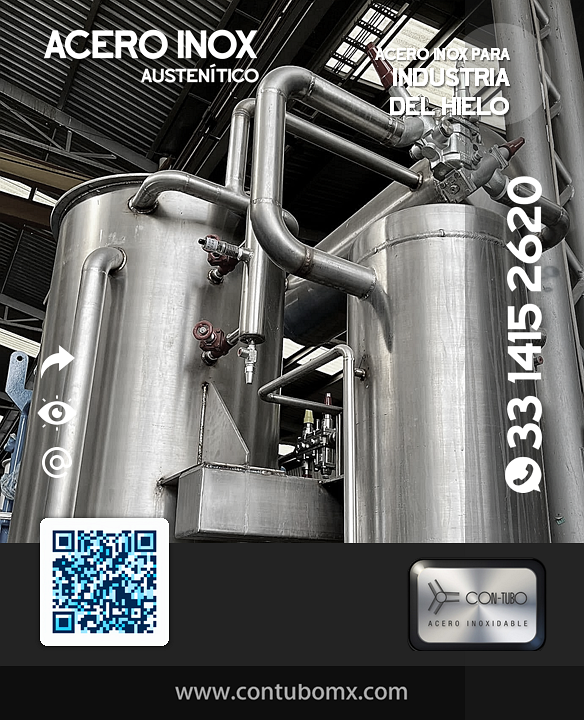
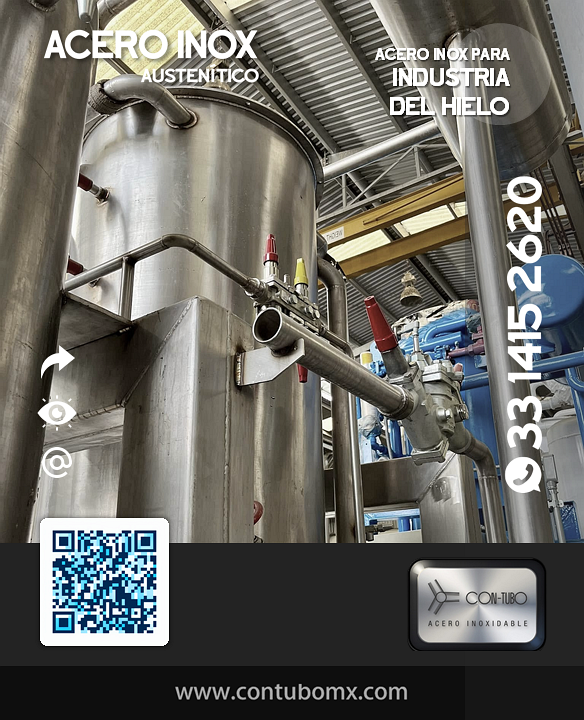
Introduction:
Industrial sustainability is no longer a trend, it is a necessity. In ice manufacturing, where product purity and energy efficiency are critical, stainless steel has become an essential material.
Equipment built with 304 or 316 stainless steel not only ensures hygiene and durability but also delivers long-term environmental and economic benefits. This article explores how stainless steel contributes to cleaner, more efficient, and more sustainable ice production.
1. Energy Efficiency in Ice Production
The water-freezing process requires significant energy, and any improvement in thermal efficiency can lead to substantial savings. Thanks to its excellent conductivity and thermal stability, stainless steel provides more uniform heat transfer in evaporators, molds, and contact surfaces.
This means each ice production cycle can be completed faster, lowering energy consumption per batch. In continuously operating plants, this can translate into 15–20% energy savings, depending on the system design.
Hygienic Surfaces Reduce Maintenance
The smooth, non-porous finish of stainless steel prevents residue buildup, simplifying cleaning and minimizing the use of harsh detergents or disinfectants. This not only reduces environmental impact, but also extends equipment lifespan, avoiding chemical damage and corrosion.
2. Stainless Steel as a 100% Recyclable Material
One of the greatest advantages of stainless steel is its complete recyclability. Unlike other metals or plastics, it can be recycled indefinitely without losing its mechanical strength or corrosion resistance.
According to the International Stainless Steel Forum, more than 60% of global stainless steel production comes from recycled material. This makes it a fundamental element of the circular economy, reducing raw material extraction and industrial waste generation.
Reduced Environmental Impact
Using stainless steel in ice manufacturing also lowers the carbon footprint associated with frequent equipment replacement. Systems built with stainless steel components can operate reliably for decades, especially when proper preventive maintenance is carried out.
3. Durability and Resistance in Harsh Environments
Ice production plants face extreme conditions, such as low temperatures, high humidity, and often, water with high chloride content. Here, stainless steel 316, with its molybdenum addition, offers superior corrosion resistance, particularly in coastal areas or systems using saline water.
Less Wear, Longer Service Life
Components such as evaporators, hoppers, trays, pipes, and valves made of stainless steel have a significantly longer lifespan compared to galvanized or plastic materials. Fewer failures mean less downtime, less waste, and a smaller environmental footprint.
4. Circular Economy and Environmental Responsibility
In an increasingly regulated industrial environment, companies aim to align their operations with ESG (Environmental, Social & Governance) principles. Stainless steel meets these demands by combining technical performance, recyclability, and a low environmental impact.
By lowering maintenance and replacement costs, ice plants achieve more sustainable and profitable operations. Investing in stainless steel is not only a technical decision, but also a corporate responsibility strategy.
5. Common Applications in the Ice Industry
Stainless steel plays a vital role in nearly every stage of industrial ice production::
- Evaporators and molds: better heat transfer and durability.
- Pipes and fittings: corrosion resistance against cold or chlorinated water.
- Hoppers and storage bins: hygienic and easy to clean.
- Valves and accessories: precise flow control with minimal contamination.
Each of these components must comply with international sanitary standards (NSF, FDA, COFEPRIS), where 304 and 316 stainless steel are the most recommended materials.
6. Contribution to Mexico’s Sustainability Goals
Using stainless steel in industrial ice manufacturing offers not only technical advantages but also supports Mexico’s commitment to the United Nations Sustainable Development Goals (SDGs), as part of its 2030 Agenda for Sustainable Development.
In particular, stainless steel directly contributes to the following SDGs:
- SDG 7: Affordable and Clean Energy.
- SDG 9: Industry, Innovation, and Infrastructure.
- SDG 12: Responsible Consumption and Production.
Overall, the use of 304 and 316 stainless steel in the ice industry supports Mexico’s transition toward a more efficient, safe, and environmentally responsible industrial model.
Conclusion: A More Efficient and Responsible Future
Stainless steel 304 and 316 not only ensure the safety and quality of the ice produced but also promote a cleaner, more efficient, and sustainable industry.
Investing in stainless steel equipment is both a smart technical decision and a firm commitment to environmental responsibility.
CON-TUBO: Your Partner in Stainless Steel Solutions
CON-TUBO offers a wide range of stainless steel pipes, valves, flanges, and fittings in 304/304L and 316/316L grades, ideal for ice and industrial refrigeration systems.
Improve efficiency, reduce maintenance, and move toward a sustainable production model. Contact us for quotes or more information about our industrial solutions:
Con-tubo.com.mx & Contubomx.com
More Info:
Obtenga los mejores productos de Acero Inoxidable 304 y 316 en: Contubomx.com


