
Subject: Relationship between the tequila industry and austenitic stainless steel – II
Stainless Steel can also be widely used in the industry of Tequila.
Stainless steel is preferred in the tequila industry because of its durability, resistance to corrosion, ease of cleaning and maintenance, and non-reactive properties with acidic agave juice and tequila.
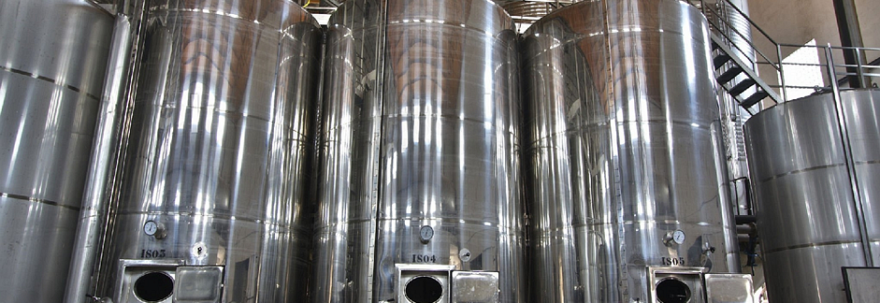
Stainless steel tanks are commonly used for agave juice fermentation, tequila distillation, aging and storage, and transportation of the finished product. Given the high demand for tequila both domestically and internationally, the demand for stainless steel in the industry is expected to remain strong in the coming years. Additionally, as the tequila industry continues to grow and expand, the demand for stainless steel equipment and storage facilities is likely to increase further.

Here is a detailed overview of the process to make «tequila»:
- Harvesting: The first step in making tequila is harvesting the agave plant. The plant is typically harvested when it is between 7 to 10 years old, and the leaves are trimmed to reveal the core, called the «piña,» which resembles a large pineapple.
- Cooking: The piñas are then cooked in an oven or autoclave to soften them and convert their starches into fermentable sugars. Traditional methods use large stone ovens, while modern methods use stainless steel autoclaves.
- Milling: The softened piñas are then crushed to extract their juice, which is called «mosto.» Traditional methods use a stone mill called a «tahona,» while modern methods use a mechanical shredder.
- Fermentation: The mosto is then transferred to fermentation tanks, where yeast is added to start the fermentation process. The yeast converts the sugar in the mosto into alcohol. This process can take between 2 to 5 days, depending on the desired flavor profile.
- Distillation: Once the fermentation is complete, the mosto is transferred to a still for distillation. Tequila is typically distilled twice, with the first distillation producing a liquid called «ordinario» and the second distillation producing the final tequila product.
- Aging: Some tequilas are aged in oak barrels for a period of time to give them a smoother, more complex flavor. The aging process can range from a few months to several years, depending on the desired flavor profile. Blanco or silver tequila is not aged, while reposado and añejo tequilas are aged for at least two months and one year, respectively.
- Bottling: The final step in making tequila is bottling. The tequila is typically filtered and then bottled, labeled, and shipped for distribution.
It’s important to note that tequila production is heavily regulated in Mexico to ensure that tequila is made according to strict quality and production standards. The Mexican government has established the Tequila Regulatory Council (CRT) to oversee and regulate the tequila industry, ensuring that tequila is made according to these standards.
To know more about it, go to: https://Contubomx.com


